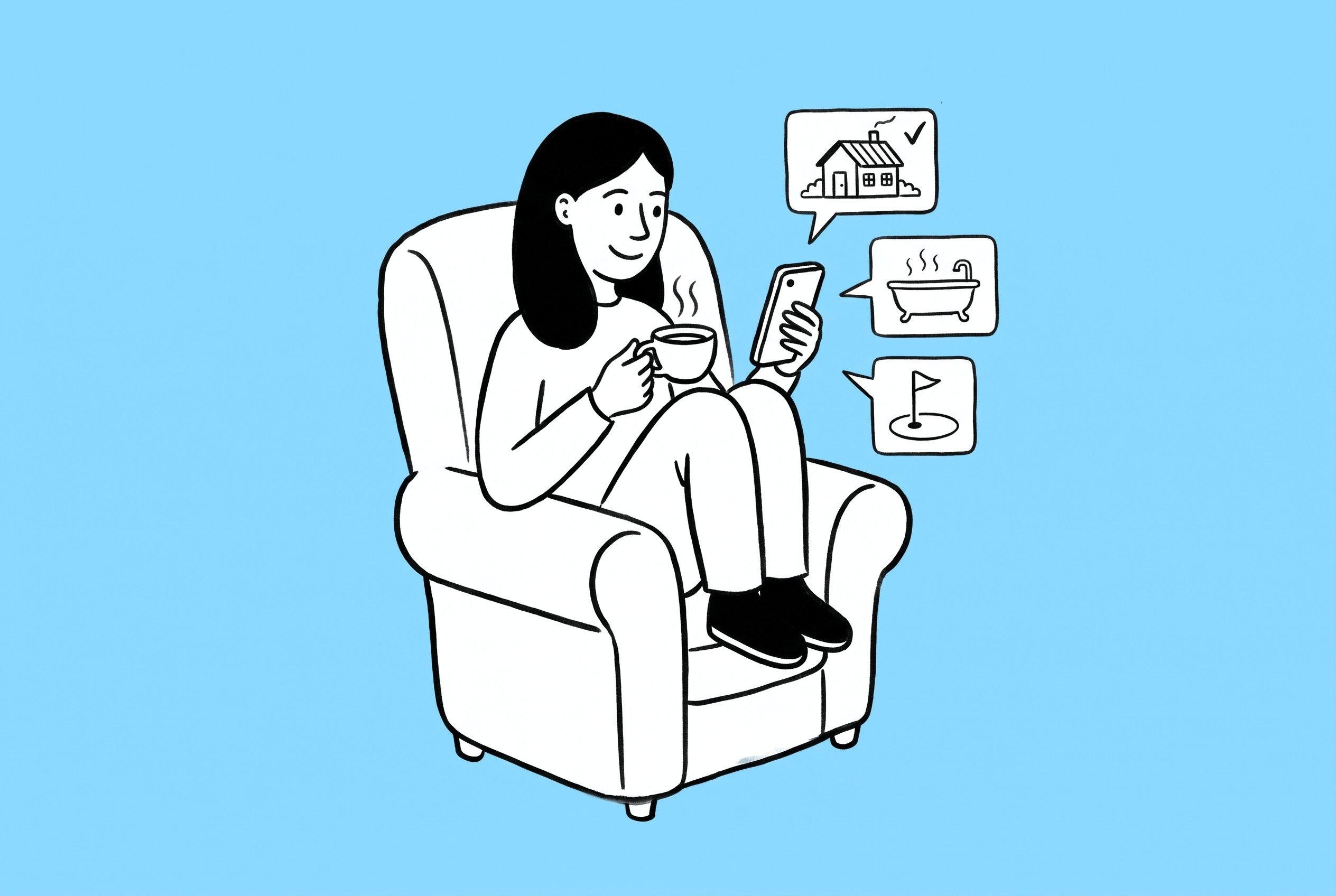
Your hotel appears in a ChatGPT answer. A potential guest reads about it, compares it with a few other options and adds it to their shortlist.
Great. Except they haven’t clicked through to your website, so how would you know?
Until now, that’s been one of the gaps in measuring AI search. We can see visits arriving from AI platforms and what people do once they land, but there’s plenty happening before that.
An update announced by OpenAI last night could help fill that gap. Hot off the press, and something we’re already getting stuck into at Huck.
What’s new?
OpenAI has introduced Businesses in ChatGPT, launching in beta. Through its Business Hub, businesses can claim their profile, manage their information and access aggregated insights into mentions, website clicks and the topics of conversations where their website is cited.
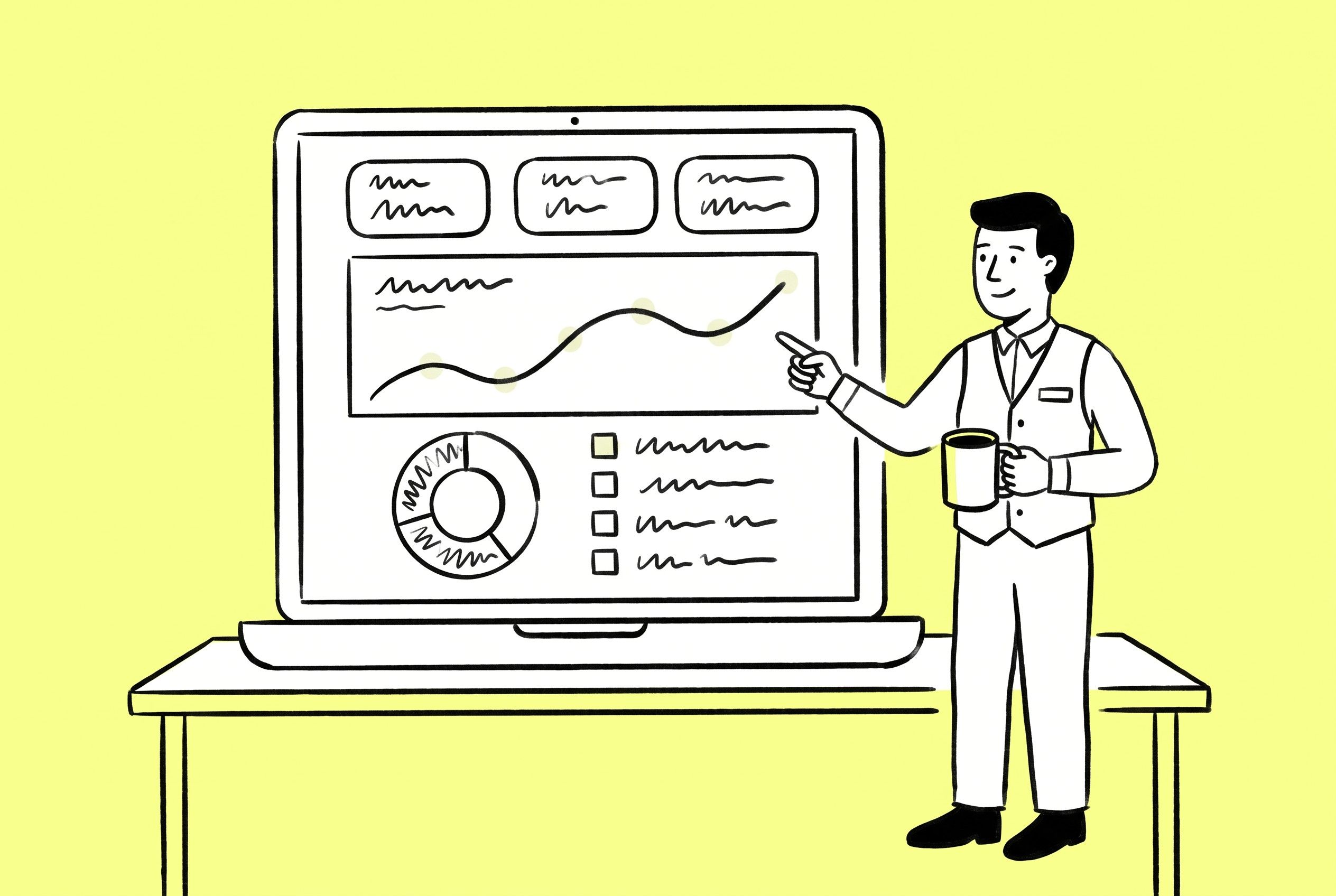
In short, we’re getting a clearer view of when a business features in ChatGPT, beyond the visits that reach its website.
For hotels, AI visibility starts before the website visit. Appearing in a relevant ChatGPT answer can put your property on a potential guest’s shortlist, even when they don’t click through.
Your hotel could be getting noticed without a click
Imagine someone planning a weekend away. They ask ChatGPT for a hotel with a spa near Edinburgh, somewhere suitable for a family break, or a country house hotel with a golf course.
Your hotel appears. They read about the facilities, ask a follow-up question and decide it looks like a good option.
They might visit your website later, search for your hotel by name or send it to their partner with a “what about this one?”

You’ve become part of their planning, but your analytics might never record a visit from ChatGPT.
That’s the challenge with zero-click activity: people can discover your hotel and form an opinion without leaving the platform. No click doesn’t necessarily mean no impact.
Previously, our website reporting showed the traffic arriving from AI sources. It couldn’t show every occasion when your hotel featured in an answer.
The new insights start to fill that gap. Understanding the topics of conversations where your website is cited should help us assess where your hotel is being discovered and whether that reflects what you offer.
What we’re seeing at Huck
Huck specialises in hospitality marketing, and we’re applying that experience to GEO: helping hotels and hospitality businesses improve how they’re discovered and represented in AI-generated answers.
GEO stands for generative engine optimisation. The name’s a bit of a mouthful, but the aim is straightforward: supporting your visibility when people use AI to research, compare and make decisions.
We’ve been developing this work alongside our wider search and digital marketing activity, while monitoring the traffic arriving from AI sources.
Since April, the increase has been substantial:
- +185%AI-source website sessions, April to October
- +34%May compared with April
- +68%August compared with July
- +231%October compared with October last year
These figures cover AI referral sources collectively, rather than ChatGPT alone.
Growth hasn’t followed a neat upward line every month. Increasing use of AI platforms will also be part of the picture.
What we can say is that AI is becoming a more significant source of website traffic across the businesses we monitor. That’s giving us plenty to work with, and a good reason to keep building on it.
Keeping up with AI, without chasing every headline
There’s no shortage of AI news. Working out which updates will actually help our clients is where the useful work happens.
At Huck, we stay at the forefront of AI developments by following the news, assessing what matters for hospitality and putting relevant changes into practice.
We’ve already taken steps to claim Huck’s account. Over the coming weeks, we’ll aim to roll this out across all our clients, subject to eligibility and availability as the beta develops.
More of the picture, before the booking
For hoteliers, the questions remain practical. Is your property appearing in relevant conversations? Is the information accurate? Are potential guests reaching your website? And when they arrive, are they enquiring or booking?
Citation insights add context to the earlier stages of that journey. Website analytics help us understand what happens after the click.
Measuring AI search means looking at visibility, website traffic and bookings together. Each tells us something different about how potential guests discover and choose a hotel.
We won’t suddenly be able to trace every booking back to a ChatGPT conversation. But we should be able to see more of the activity that comes before it.
And if your hotel is making someone’s shortlist, we’d quite like to know about it.